Which Social Media Platform Actually Pays? A Creator’s Breakdown
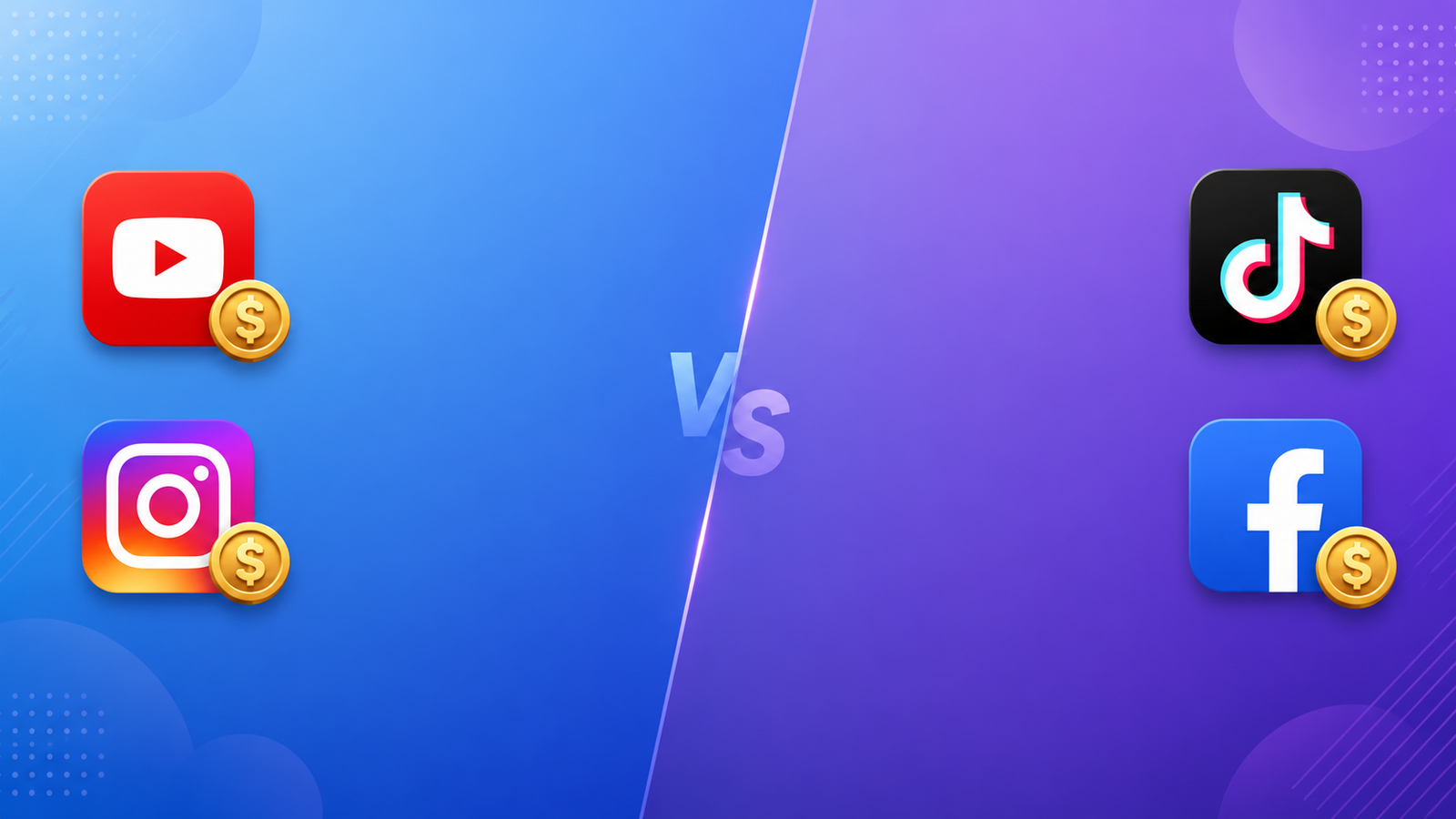
YouTube, Facebook, Instagram, and TikTok all offer ways for creators to earn, but none is automatically the best choice for everyone. The strongest platform depends on the type of content you create, how your audience responds, which monetization features are available, and what kind of business you are trying to build.
By Laura Murguia
Creators frequently ask one question: Which social media platform pays the most?
The question sounds simple, but the honest answer depends on far more than follower count. A creator’s income may come from advertising, subscriptions, gifts, performance programs, sponsorships, affiliate recommendations, services, physical products, or customers who discover a business through social media.
A platform that pays one creator well may produce very little for another. The difference may come from the subject, video length, viewer location, audience loyalty, eligibility, advertiser demand, or the way the creator connects content to a larger business.
The better question is not simply, “Which platform pays the most?” It is, “Which platform gives my kind of content the strongest opportunity to create income?”
Direct Platform Payments Are Only One Part of the Answer
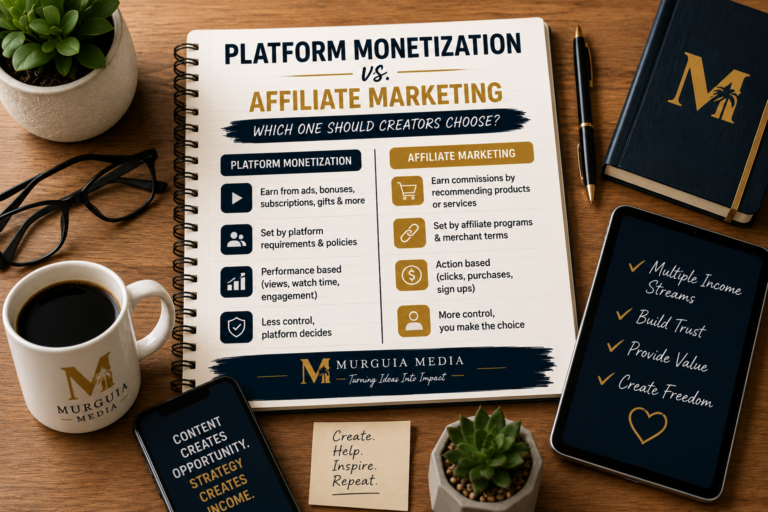
When creators compare platforms, they often look only at money paid directly by the social media company. That includes advertising revenue, creator programs, subscriptions, Gifts, Stars, bonuses, and other platform-controlled features.
Those payments matter, but they do not represent the complete value of an audience.
A furniture post may produce a customer inquiry and completed sale even when Facebook pays nothing directly for the post. An Instagram Reel may lead to a sponsorship. A YouTube tutorial may generate affiliate commissions. A TikTok video may introduce thousands of people to a service or product.
The platform’s payment is only one income source. The business opportunity created by the content may be worth more.
This is why creators should evaluate both direct revenue and the actions the audience takes after seeing the content.
YouTube Offers the Strongest Long-Term Content Library
YouTube is often the strongest platform for creators who can produce searchable, useful, or entertaining videos that continue attracting viewers over time.
Tutorials, reviews, educational videos, interviews, commentary, prayers, stories, and detailed explanations can remain discoverable through search, recommendations, playlists, and external links long after publication.
YouTube currently provides two important levels of access to its Partner Program in eligible locations.
The earlier level begins at 500 subscribers, three valid public uploads within the previous 90 days, and either 3,000 valid public watch hours during the previous 12 months or three million valid public Shorts views during the previous 90 days.
That earlier level can unlock selected fan-funding and Shopping features where available. It is not the same as receiving full advertising revenue.
Full advertising and YouTube Premium revenue sharing generally requires 1,000 subscribers and either 4,000 valid public watch hours during the previous 12 months or ten million valid public Shorts views during the previous 90 days.
Reaching a numerical threshold does not guarantee approval. YouTube reviews channels for compliance with its monetization policies before accepting them into the program.
YouTube Rewards Patience More Than Speed
YouTube’s greatest strength is also one of its greatest challenges.
A strong video may continue generating views for months or years, but building that library requires patience. Long-form videos take time to plan, record, edit, upload, title, describe, and promote.
A creator who expects immediate results may become discouraged when the first videos receive very few views. YouTube often works more like a searchable library than a fast-moving social feed.
The creator is building a collection of content that can become more valuable over time.
This makes YouTube especially useful for creators who can answer recurring questions, teach a process, tell meaningful stories, or create material that people may intentionally search for later.
Shorts can increase discovery, but long-form videos remain important for creators trying to build public watch hours and a deeper relationship with viewers.
YouTube Can Support Several Income Streams
YouTube income does not have to stop with advertising.
A tutorial may include a relevant affiliate recommendation. A video can introduce a digital product, service, newsletter, website article, membership, or physical item.
A creator may also receive support through features such as memberships, Super Thanks, Super Chat, or other fan-funding tools when eligible and available.
The strongest YouTube strategy does not treat every video as an advertisement. The video should still provide genuine value on its own.
The additional income opportunity should feel like a natural next step for viewers who want more information, a recommended resource, or direct help.
Facebook Can Be Powerful Without a Guaranteed Public Threshold
Facebook can support Reels, longer videos, photographs, text posts, links, groups, Stars, subscriptions, community conversations, and direct customer messages.
Meta’s Facebook Content Monetization program can pay eligible creators based on the performance of qualifying content. However, the program is currently invitation-only. There is no single public follower number that guarantees every creator admission.
Creators should check the Monetization area inside Professional Dashboard or Meta Business Suite to see what is available for their specific Page or professional profile.
Facebook also evaluates monetization eligibility through its policies, account history, content originality, country availability, and other requirements.
This can feel unpredictable because one creator may receive an opportunity that is not yet available to another creator with similar numbers.
Facebook’s Real Strength Is Community and Customer Action
Facebook can be especially valuable for creators and businesses whose audience likes to comment, share, ask questions, join groups, or send direct messages.
A faith page may build a returning community through prayers, reflections, and conversations. A local business may attract customers from a specific region. A furniture page may turn a photograph or Reel into a request for price, availability, and delivery information.
In those situations, the most important payment may not come directly from Meta.
The value may come from the sale, appointment, website visit, customer inquiry, subscription, or repeat relationship created through the platform.
Facebook also supports a wider variety of post formats than platforms built primarily around short video. That gives creators more ways to communicate with people who prefer reading, photographs, longer videos, or community discussion.
Facebook Revenue Can Change Without Warning
Facebook monetization opportunities have changed repeatedly over the years. Programs may be introduced, combined, limited, tested, or made available only to selected accounts.
Creators should not build their entire income plan around a temporary bonus or invitation.
A bonus can be valuable while it exists, but it should be treated as additional income rather than the foundation of the business.
The creator should continue building direct customer relationships, a website, an email list, products, services, or other income streams that do not disappear when a platform changes its program.
Facebook can be extremely useful, but the creator still needs a plan beyond Facebook.
Instagram Is Strong for Visual Identity and Brand Opportunity
Instagram is built around visual presentation.
Reels, carousels, Stories, photographs, collaborations, direct messages, subscriptions, Gifts, and branded content can all contribute to a creator’s income strategy.
Instagram does not have one universal advertising program that pays every creator according to the same public formula. Different monetization products have different eligibility rules, and availability may vary by location and account.
Instagram Gifts currently require an eligible professional account, compliance with monetization policies, age eligibility, and at least 500 followers. Creators must also complete the required onboarding and payout process.
Instagram Subscriptions have higher eligibility requirements. Current guidance states that creators generally need a professional account, must be at least 18 years old, comply with platform policies, and have at least 10,000 followers where the feature is available.
Other opportunities, including limited bonus programs, may be offered by invitation.
Instagram Often Pays Through Influence Rather Than Views
Many Instagram creators earn more through sponsorships, affiliate links, product sales, services, and brand collaborations than through direct Instagram payments.
A home décor creator may use a Reel to show a finished room and link to featured products. A beauty creator may demonstrate how a product performs. A business educator may use a carousel to introduce a consultation or digital guide.
The platform’s visual nature helps potential customers and brands understand the creator’s style quickly.
A strong profile can function like a portfolio.
The creator’s biography, pinned posts, highlights, visual consistency, and recent content all help visitors decide whether they trust the brand and want to take another step.
Instagram Requires a Recognizable Identity
Instagram rewards creators who can communicate visually and maintain a recognizable point of view.
That does not mean every image must look identical. It means the audience should understand what the account represents.
A page that constantly changes subject, tone, design, and audience may struggle to create a strong relationship even when individual posts are attractive.
Creators should also avoid becoming so focused on visual perfection that they stop publishing. A clear, useful post that reflects the brand is more valuable than an unfinished design waiting indefinitely for perfection.
Instagram can support discovery and income, but the profile must make the creator’s value easy to understand.
TikTok Offers Strong Discovery but Specific Requirements
TikTok is known for introducing content to people who do not already follow the creator.
That discovery can happen quickly, which makes the platform attractive to creators trying to reach new audiences. However, rapid reach does not automatically become stable income.
TikTok’s Creator Rewards Program currently requires creators to live in an eligible region, be at least 18 years old, maintain an account in good standing, have at least 10,000 followers, and receive at least 100,000 video views during the previous 30 days.
Videos eligible for Creator Rewards must generally be original, high-quality content that is at least one minute long and complies with program requirements.
TikTok also offers Video Gifts to eligible creators. Current requirements include at least 10,000 followers, an account that has existed for at least 30 days, a recent public video, age eligibility, and compliance with the platform’s rules.
Availability varies by country and account.
TikTok Rewards Fast Communication
TikTok can be powerful for creators who understand how to communicate an idea quickly.
The opening seconds matter because viewers can move immediately to another video. A creator must give people a reason to remain without misleading them or making exaggerated promises.
This does not require copying every trend.
Creators can use trends when they fit, but the strongest long-term accounts still develop a recognizable subject, personality, or storytelling style.
TikTok can introduce new people to a creator’s work, but the creator should have somewhere meaningful to direct that attention. That may be another video, a profile link, website, product, service, newsletter, or community.
Discovery becomes more valuable when it leads somewhere.
TikTok Virality Is Not the Same as Stability
A viral video can create a sudden increase in views and followers, but that does not guarantee continued reach or meaningful income.
The audience may have responded to one particular subject without becoming interested in the creator’s larger body of work.
A creator should study what the successful video revealed. Did people respond to the topic, the emotional message, the format, the opening, or the personality?
The goal is not to copy the video endlessly. It is to understand why it connected and determine whether that connection can become part of a sustainable content direction.
One viral moment can be helpful. A repeatable system is more valuable.
Which Platform Pays the Most?
There is no honest universal winner.
YouTube may provide the strongest long-term advertising opportunity for creators who build searchable video libraries and can maintain the production process long enough to qualify.
Facebook may be strongest for community-driven pages, local businesses, customer conversations, direct sales, and creators invited into its monetization programs.
Instagram may be strongest for visual brands, sponsorships, affiliate recommendations, services, and product discovery.
TikTok may be strongest for rapid discovery, short-form storytelling, eligible Creator Rewards content, Gifts, and brand opportunities.
The highest-paying platform is often the platform that matches the creator’s content style and connects naturally to more than one income source.
A Smaller Audience Can Still Be Valuable
Creators often assume that income begins only after reaching a large follower milestone.
That is not always true.
A smaller audience may contain people who trust the creator deeply, regularly ask questions, click recommendations, request services, or purchase products.
Ten thousand passive followers may create less income than one thousand highly engaged followers who understand the creator’s value.
This is especially important for businesses.
A furniture seller does not need every viewer to become a customer. The business needs the correct buyer to see the correct product and feel confident enough to complete the purchase.
A consultant does not need millions of views. The consultant needs qualified people who need the service.
Audience quality and relevance matter.
Do Not Choose a Platform Based on Someone Else’s Screenshot
Creators frequently share screenshots showing large payments, viral views, or sudden follower growth.
Those screenshots rarely reveal the complete story.
The creator may have a different audience location, subject, advertiser demand, posting history, program invitation, sponsorship agreement, or income source.
A payment labeled as social media income may include affiliate commissions, brand deals, product sales, subscriptions, and direct platform revenue combined.
Another creator’s success can provide inspiration, but it should not be treated as a guaranteed formula.
Choose a platform based on the work you can produce, the audience you want to reach, and the business you are actually building.
Begin With One Primary Platform
Trying to master every platform at once can divide attention and reduce quality.
A creator can begin with one primary platform that fits the strongest content format.
Someone who enjoys teaching in detail may begin with YouTube. A visually focused creator may prioritize Instagram. A community-driven page may begin with Facebook. A creator who communicates naturally through fast vertical video may begin with TikTok.
A second platform can be used to repurpose content and strengthen the audience relationship.
The creator should also consider building a website or email list so the entire business is not dependent on social media accounts they do not own.
One Idea Can Work Across Several Platforms
Choosing one primary platform does not mean ignoring everything else.
One complete YouTube video can become several short clips, an Instagram carousel, a Facebook discussion, and a website article.
A blog article can become a Reel, a TikTok explanation, a Facebook post, and a newsletter topic.
The central idea stays consistent while the presentation changes for each platform.
This approach helps creators build visibility without inventing an entirely new subject every day.
It also allows one well-developed idea to continue working in several places.
The Best Platform Is the One You Can Use With Purpose
A platform becomes valuable when the creator understands why they are using it.
The goal may be advertising revenue, community growth, product sales, customer inquiries, affiliate income, sponsorships, subscriptions, or website traffic.
The purpose determines what should be measured.
A creator seeking YouTube advertising revenue should study eligible watch time, viewer retention, and returning viewers. A furniture business should study inquiries and completed sales. An Instagram creator seeking partnerships should build a strong portfolio and track audience response.
The platform provides distribution and monetization tools.
The creator must still provide the value, build the trust, and create a clear next step.
The social media platform that pays the most is not necessarily the one offering the highest advertised rate. It is the one that fits your work, reaches the right people, and supports a business you can continue building.