
How Technology Can Help You Create New Income Streams
You don’t need to be “good with computers” to use technology to build a real income stream. I’ve watched plenty of people in their 50s and 60s do exactly this, and almost none of them started out tech-savvy. They just learned a handful of tools well. Let’s talk about what’s actually realistic, and where to start.
Here’s the reality: the biggest misconception about technology-driven income is that it requires being a tech person. The truth is, most of today’s platforms were built specifically for people with zero technical background — that’s the whole business model behind them.
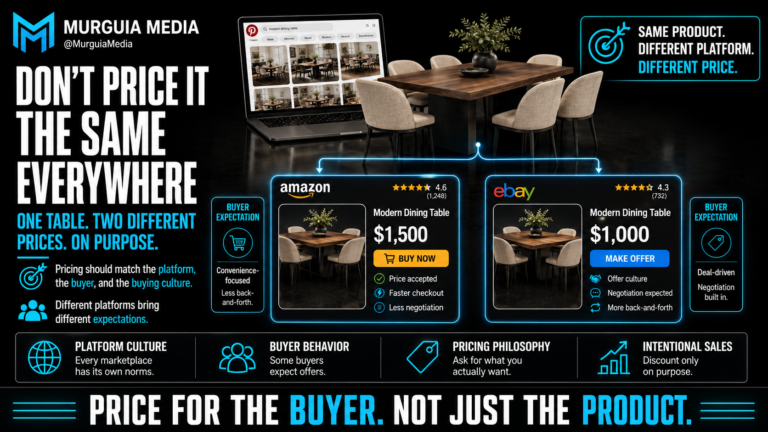
Start with marketplaces instead of trying to build your own website. Etsy, OfferUp, Facebook Marketplace, eBay — these handle payments, customer messaging, and getting your product in front of buyers. If you make something, or even just have an eye for finding good secondhand pieces, the platform does the heavy lifting. What you actually need is decent photos, a clear description, and consistency. That’s it.
I’ve also noticed that knowledge-based income is a huge opportunity people overlook. If you spent years in a career — bookkeeping, nursing, teaching, home repair — that expertise is worth something to someone else right now. A simple newsletter, a YouTube channel, even a basic blog lets you package that knowledge for an audience. Income comes through ads, affiliate links — recommending things you actually use and earning a small commission — or paid consultations. This isn’t about becoming an influencer. It’s about being useful to a specific group of people, consistently.
Service marketplaces tend to be the fastest path to actual money, because they put you directly in front of people who already need help. Sites built for pet sitting, tutoring, home tasks, and local services connect you with paying customers, sometimes within days of signing up.
One thing I’ve learned: AI tools have quietly become an income accelerator — not by replacing anyone’s skill, but by removing the busywork around it. Someone running a small consulting business can use AI to draft proposals, write follow-up emails, summarize a client call. Work that used to eat up hours now takes minutes. That saved time either means more clients, or more of your actual life back. Both have real value.
Many people I talk to describe the same general timeline. The first month or two is just setup and learning the platform — don’t expect much income yet. Months three and four are where you start seeing what actually sells or gets booked, and you adjust. By months five and six, with consistency, a lot of people land on a steady, modest second income — often a few hundred dollars a month to start, scaling up from there based on the time they put in.
The mistake I see most often is trying to do everything at once — a website, a YouTube channel, an Etsy shop, and a consulting side hustle, all in the same month. Pick one platform that matches a skill you already have. Commit to it for ninety days. Resist switching the second it feels slow, because almost everything feels slow before it feels steady.
Action Steps:
- Choose one platform — a marketplace, a service site, or a content platform — that matches a skill you already have.
- Set up a basic profile or listing this week. Don’t wait for it to be perfect.
- Use a free AI tool to help draft your descriptions, listings, or first few posts.
- Give it 90 days before deciding whether to continue, adjust, or pivot.
Technology hasn’t made income harder to create — if anything, it’s made it more accessible than ever, especially for people who already have decades of real skill behind them. The tools are simpler than you think. The hardest part is just starting.