How Often Should You Actually Post? The Truth About Algorithm Myths
Posting more does not automatically create faster growth. The best content schedule protects quality, supports the purpose of the brand, and can be maintained long enough to build audience trust.
By Laura Murguia
Creators are constantly told that they need to post more. They are encouraged to publish every day, create several Reels, add Stories throughout the day, write Facebook posts, film YouTube videos, answer every comment, and begin the entire process again tomorrow.
That advice can make content creation feel like an emergency that never ends. It can also convince creators that they are failing whenever they cannot maintain an aggressive publishing schedule.
I manage content across brands with very different audiences and purposes. Faith content does not perform exactly like furniture marketing, and Spanish-language community content requires a different approach from a business and technology blog. A prayer, a furniture listing, an educational article, and a long-form video do not require the same amount of time or serve the same goal.
That experience has taught me that there is no universal posting number that works for every creator. The better question is not simply, “How often should I post?” It is, “How often can I publish something useful without lowering the quality, confusing the audience, or abandoning the schedule?”
More Content Does Not Automatically Mean More Growth
Publishing more frequently creates additional opportunities for people to discover your work. That can be helpful when the creator has enough valuable material to support the increased schedule and can maintain a consistent level of quality.
Volume becomes a problem when the calendar begins controlling the content. A creator may post repeatedly because someone claimed that the algorithm demands it, even when the additional posts are rushed, repetitive, unrelated to the brand, or difficult for the audience to understand.
The number of posts does not matter if people consistently scroll past them. A strong schedule gives the audience more reasons to stop, read, watch, save, share, respond, or take another meaningful action. A weak schedule simply adds more material to an already crowded feed.
Three rushed posts are not automatically stronger than one thoughtful post. Frequency can increase opportunity, but usefulness is what gives the content a reason to perform.
Consistency Is Not the Same as Daily Posting
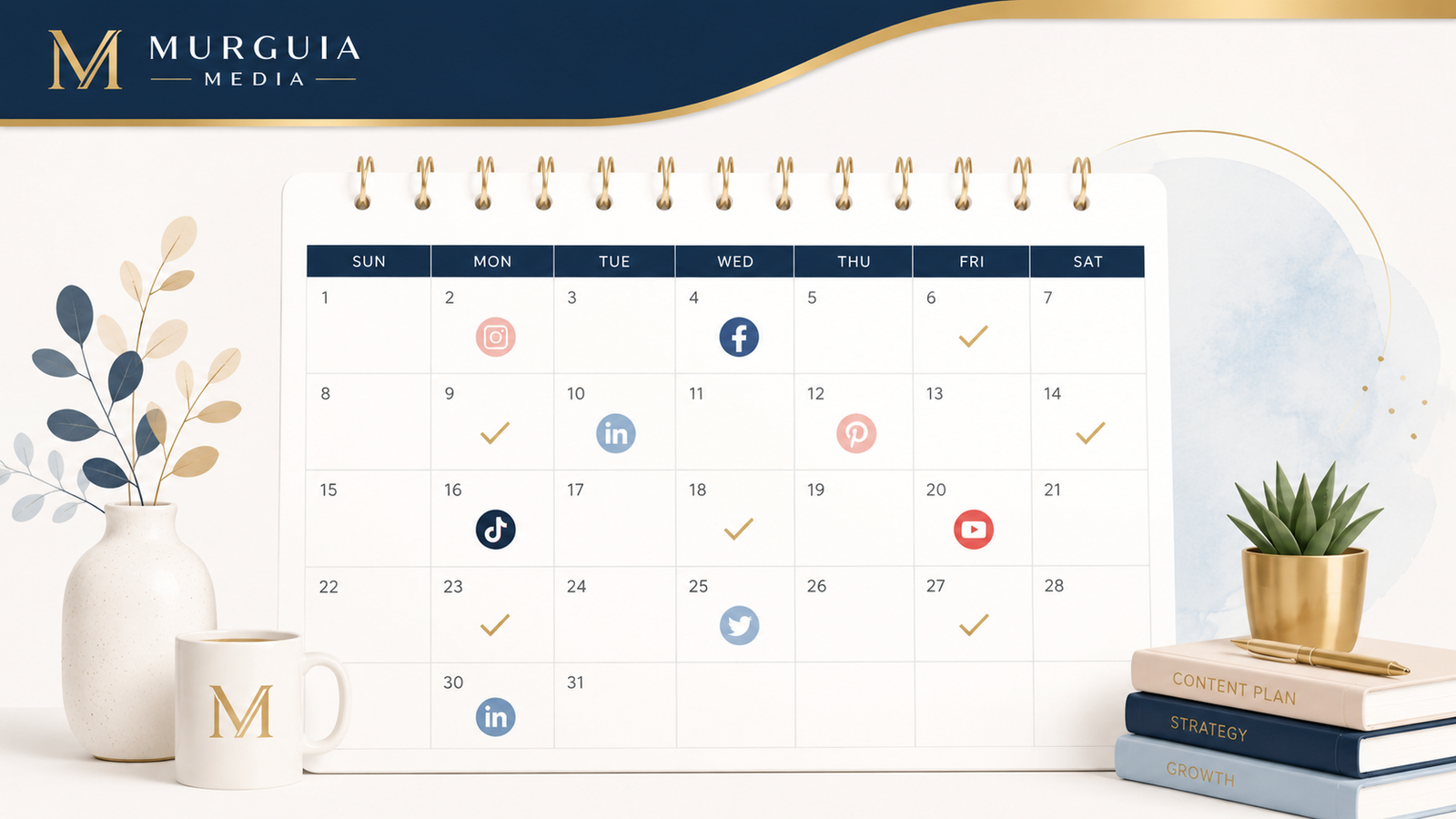
Consistency means that the audience can reasonably expect the creator to return. For one page, that may mean publishing every day. For another, it may mean three times each week.
A blog may publish one complete article every week or twice each month. A long-form YouTube channel may need more time between videos because each production requires planning, recording, editing, reviewing, and promotion.
The schedule should match the amount of work involved. A short Facebook reflection can often be created more frequently than a researched article, while a product image may require less preparation than a complete tutorial.
Treating every format as though it requires the same schedule creates unnecessary pressure. Consistency is not about proving that you can publish constantly. It is about establishing a pattern that you can realistically continue.
Every Brand Needs a Different Rhythm
The purpose of the page should influence how often it publishes. A faith page may serve people through frequent prayers, reflections, saint content, or Scripture posts. The audience may return daily because the content supports a daily spiritual habit.
A furniture page works differently. Its purpose is to show available products, demonstrate how pieces can look inside a home, answer customer questions, and create sales inquiries. Publishing several useful listings may make sense when inventory is available, but posting unrelated material simply to fill the schedule does not help the customer.
A digital education brand such as Murguia Media needs enough time to research, explain, organize, and present information responsibly. One complete article may provide more long-term value than several rushed summaries that repeat information readers can find almost anywhere.
The correct rhythm is the one that supports the reason the page exists. Posting frequency should serve the brand’s purpose rather than forcing every brand into the same formula.
Quality Needs a Minimum Standard
Every creator should establish a quality floor, which is the basic standard every post must meet before it is published. The content should have a clear purpose, the text should be readable, the image should match the subject, and factual information should be reviewed.
The tone should also sound like the brand. The audience should be able to understand why the post was created and what they are expected to receive from it.
This does not mean every post must be elaborate or perfect. A simple post can still be useful, a short reflection can still be meaningful, and a quick product update can still help a customer.
The quality floor prevents the content calendar from becoming an obligation filled with material that does not represent the creator well. Before publishing, ask whether the post helps, informs, encourages, entertains, guides, or connects with the intended audience. When the answer is unclear, the content may need more work, or it may not need to be published at all.
A Sustainable Schedule Is More Valuable Than an Impressive One
An ambitious schedule can look productive for a few days. The real test is whether it can be maintained for several weeks or months without damaging the quality of the work.
A creator may decide to post three times a day, produce daily videos, write weekly articles, and manage several social accounts at once. That schedule may be possible temporarily, but it becomes ineffective when the creator is exhausted, important details are missed, or the entire system is abandoned after two weeks.
A smaller schedule that continues is more useful than a large schedule that collapses. Sustainability also protects the creator’s health, responsibilities, and ability to think clearly.
Content creation should support the business, mission, or audience relationship. It should not consume every available hour without producing a meaningful result.
Begin With a Test Schedule
A beginning creator does not need to commit immediately to an extreme posting routine. A practical Facebook test might include four to seven meaningful posts each week, depending on the type of page and how quickly the material can be prepared.
A page sharing timely community information may publish more frequently, while a page focused on deeper educational posts may publish less often. An Instagram creator might begin with three strong feed posts or Reels each week and use Stories when there is something timely, personal, or useful to share.
A YouTube creator might begin with one carefully prepared video every week or every other week. A blog may begin with one complete article weekly or twice each month.
These numbers are not secret algorithm rules. They are starting points that allow a creator to observe what works without creating an impossible workload.
The schedule should be reviewed after several weeks. When the quality remains strong and the creator has more useful material, the frequency can increase. When the work becomes rushed or inconsistent, the schedule can be reduced.
Adjusting the plan is not failure. It is part of building a system that works.
One Strong Idea Can Support Several Platforms
Creators often feel pressured because they believe every platform requires a completely different idea. That is not necessary.
One useful subject can be developed into several formats. An article about creator burnout might become a Facebook discussion about unrealistic posting advice, an Instagram carousel explaining the signs of an unsustainable schedule, a short Reel describing the difference between consistency and constant output, and a newsletter sharing what the creator changed in their own workflow.
The central idea remains the same, but the presentation changes for each platform. Most followers do not see everything a creator publishes, and people consume information differently.
One person may read the complete article, another may save the carousel, and someone else may understand the idea more clearly after hearing it explained in a video. Repurposing allows the creator to develop one idea fully instead of constantly inventing unrelated subjects.
Creating Content in Groups Saves Time
Working on one post at a time can make every day feel like starting over. Batching related work creates more efficiency and reduces the number of times a creator has to switch between different tasks.
A creator might choose several topics at once, write multiple captions during one session, prepare several graphics together, or record more than one video while the camera and lighting are already arranged. The content does not all need to be published immediately. It can be scheduled or saved until the appropriate day.
Batching also makes it easier to protect the visual and editorial consistency of the brand. When related content is created together, the tone, design, and message are more likely to feel connected.
The goal is not to turn creativity into an assembly line. It is to reduce unnecessary repetition so more energy can be used on the ideas themselves.
Measure Actions That Matter
Creators often judge a post too quickly. One post receives fewer views than expected, and they assume the schedule failed. Another receives sudden reach, and they immediately try to repeat it without understanding why people responded.
Views matter, but they do not explain everything. A post may receive fewer views while generating more saves, shares, meaningful comments, website visits, customer inquiries, or completed sales.
A furniture post that reaches one qualified buyer may be more valuable than a viral image that reaches thousands of people with no interest in purchasing. A blog article may begin with modest traffic but continue attracting readers through search over several months.
A YouTube tutorial may grow slowly and eventually become one of the channel’s most useful videos. The correct measurement depends on the purpose of the content.
A creator seeking sales should track inquiries and purchases. Someone building a community should study returning visitors and meaningful interactions. A creator trying to increase watch time should review how long viewers remain with the video.
Posting frequency should be evaluated by results, not by pressure.
Recognize When the Schedule Is Too Heavy
A schedule is probably too demanding when every post feels rushed, the creator regularly publishes material they do not believe in, important details are missed, or the brand no longer feels consistent.
Other warning signs include repeatedly missing planned posts, resenting the content process, losing time needed for paid work, and producing more material without receiving more meaningful engagement or business results.
The answer is not always to stop creating. It may be to simplify the system.
The creator can reduce the number of platforms, publish fewer formats, reuse strong ideas, schedule content in advance, or identify which type of post produces the most value. Removing unnecessary work can make the remaining content stronger.
Let the Schedule Serve the Purpose
The purpose of a content calendar is not to prove how hard the creator can work. It is to help the audience recognize the brand, understand its value, trust the creator, and know what to do next.
For a faith page, the next step may be prayer or reflection. For a business blog, it may be reading another article or joining an email list. For a furniture page, it may be requesting the price, availability, or delivery fee.
The schedule should support that goal. When the calendar becomes more important than the audience, the creator begins producing content for the system rather than for the people it is meant to serve.
A useful schedule creates structure without becoming the purpose of the work.
Build a Rhythm You Can Continue
The right posting frequency may change as the creator gains experience, develops better tools, hires help, or learns which content produces the strongest results.
A creator may begin with daily posting and discover that three thoughtful posts each week perform better. Another may begin slowly and later increase production by batching content or repurposing articles.
Both are reasonable adjustments. There is no prize for maintaining the most exhausting schedule.
The correct schedule is the one that allows you to continue creating long enough to understand what your audience values, strengthen your skills, and build something sustainable.
Consistency compounds, while burnout destroys the very system you are trying to build.