Mastering Social Media Monetization: A Practical Guide for Creators
Social media monetization is not one payment program, one follower milestone, or one viral post. It is the process of turning useful content, audience trust, practical skills, and clear offers into several connected income opportunities.
By Laura Murguia
Social media can create income, but it rarely happens simply because someone begins posting.
Creators are often shown payment screenshots, follower milestones, viral videos, and stories about people who appeared to build a profitable platform overnight. What is usually missing is the larger system behind those results.
A creator may earn through advertising, subscriptions, affiliate recommendations, brand partnerships, services, digital products, physical products, customer inquiries, or audience support. Two people can publish on the same platform and build completely different income models.
That is why mastering social media monetization begins with understanding what you are actually building. A page filled with content is not automatically a business. It becomes a business when the content serves a recognizable audience, creates trust, and leads people toward a clear next step.
Monetization Begins Before the Payment
The first stage of monetization is not receiving money. It is becoming useful enough that people continue returning.
An audience needs a reason to pay attention. That reason may be education, encouragement, entertainment, information, inspiration, product discovery, community, or practical help.
A faith page may provide prayers and reflections that become part of someone’s daily routine. A furniture page may help customers imagine how a bedroom or living room set could look inside their home. A digital education page may help adults understand technology, artificial intelligence, social media, or new income opportunities.
The subject changes, but the principle remains the same. People return when the content consistently gives them something they value.
Monetization becomes possible after that relationship begins to form.
Know What Your Audience Comes to You For
Creators sometimes try to monetize too early without understanding why people followed them.
A page may receive engagement, but the audience may be responding to only one type of content. Another page may have fewer followers but attract people who regularly ask questions, request recommendations, or inquire about services.
Those patterns matter.
Review which posts receive meaningful comments, saves, shares, direct messages, link clicks, or customer questions. Pay attention to what people repeatedly ask you to explain.
The strongest income opportunities often appear inside those repeated requests.
When people regularly ask how you created something, where you purchased something, what tools you use, or whether you offer personal help, they may already be showing you what they are willing to value.
Choose an Income Model That Fits the Content
Not every monetization method belongs on every page.
A creator should not force affiliate links into content where product recommendations feel unnatural. A page built around private reflection may not be the right place for constant sales offers. A local furniture business may benefit more from customer inquiries than from waiting for direct platform payments.
The income model should support the reason people follow the page.
A creator who teaches may offer consultations, guides, templates, workshops, or courses. A home décor creator may use affiliate recommendations, room-styling services, shopping guides, sponsorships, or product sales. A business page may use content to create leads, appointments, quotes, and direct purchases.
The more naturally the offer connects to the content, the less it feels like an interruption.
Platform Payments Are Only One Income Source
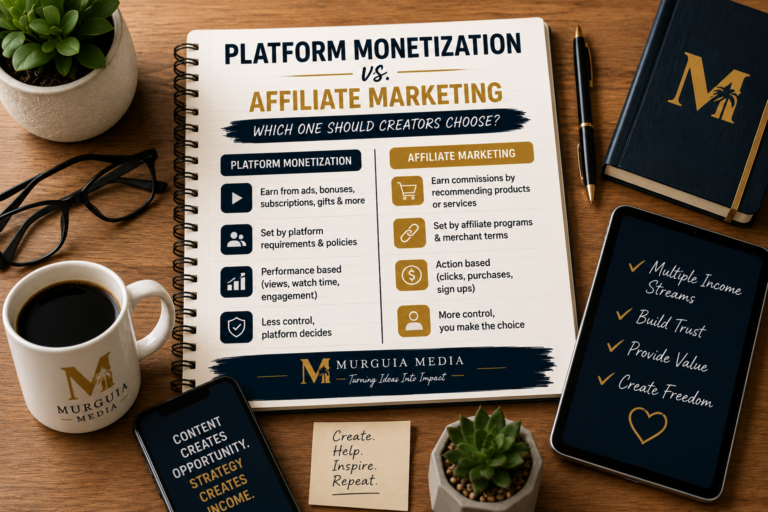
Many creators define monetization as receiving money directly from Facebook, YouTube, Instagram, or TikTok.
Direct platform revenue can be valuable, but it should not be the only plan. Eligibility rules, invitation systems, payment structures, and content policies can change. A program available to one creator may not be available to another.
Platform revenue also depends on factors the creator does not fully control, including eligible views, audience location, advertising demand, watch time, content format, and policy reviews.
This does not mean creators should ignore platform monetization. It means they should place it inside a larger strategy.
Advertising revenue, Gifts, Stars, subscriptions, bonuses, and other platform features can become one layer of income. They are stronger when the creator also has additional ways to earn.
Services Can Create Income Before a Large Audience
A creator does not always need thousands of followers to sell a useful service.
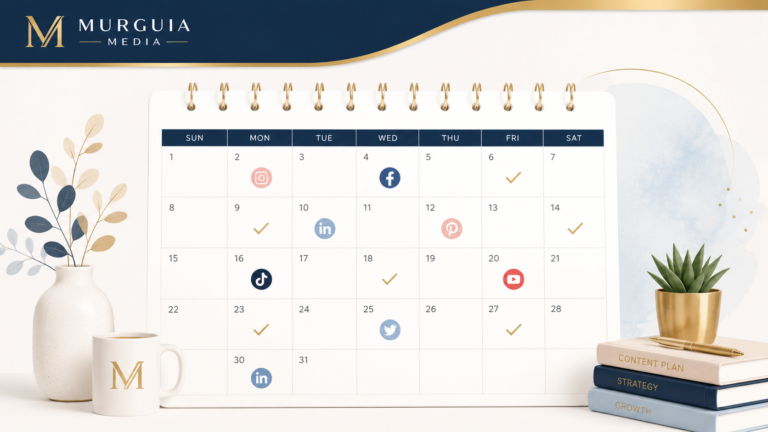
The service can come from a skill already being demonstrated through the content. A creator who plans social media posts may offer content calendars. Someone who designs graphics may create branded posts for small businesses. A home creator may offer room reviews or furniture recommendations.
A person experienced with artificial intelligence may help beginners organize prompts, understand tools, or build a simple workflow. A video creator may edit Reels, prepare captions, or create content for businesses that need material for their own accounts.
The offer should be specific enough for a potential customer to understand.
“I help with content” is vague.
“I create a customized seven-day Facebook and Instagram content plan for small businesses” explains what the customer receives.
Clarity makes the offer easier to trust and easier to purchase.
Digital Products Allow Knowledge to Work More Than Once
Services require the creator to complete work for each customer. Digital products can allow one well-developed resource to serve several people.
A digital product may be a checklist, workbook, guide, template, content calendar, prompt collection, printable, tutorial, resource directory, or short class.
The best digital products usually solve a focused problem.
A creator does not need to begin with a large course. A smaller product may be easier to create, easier to explain, and more useful to the buyer.
Repeated audience questions can help identify product ideas. When people continually ask how you organize content, write captions, plan a room, use a tool, or complete a particular task, that question may become the foundation of a paid resource.
The goal is not to create more information. It is to create a practical result.
Affiliate Marketing Works Best When It Is Relevant
Affiliate marketing allows creators to earn a commission when someone completes a qualifying purchase or action through a tracked link.
It can work well when the creator already discusses products, tools, software, furniture, beauty items, equipment, books, or services that the audience may genuinely need.
The recommendation should fit the subject naturally.
A creator explaining video production may recommend lighting, microphones, editing tools, or tripods. A home creator may recommend furniture, rugs, storage products, or decorative accessories. A digital educator may recommend software or business tools.
The creator should explain why the product is useful, who it may be appropriate for, and what limitations should be considered.
Trust disappears when every product is presented as perfect or every article is created only to place a link.
The audience should feel helped, not handled.
Brand Partnerships Require More Than Follower Count
Brands may consider audience size, but they also look at content quality, audience relevance, communication skills, consistency, and whether the creator’s style matches the company.
A smaller creator with a focused audience may be more valuable to a particular brand than a larger account with very broad or passive reach.
Creators interested in partnerships should make their work easy to evaluate.
A clear profile, recognizable subject, consistent visual presentation, accurate contact information, and strong examples help brands understand what the creator can provide.
The creator should also know what they are offering. That may include a sponsored post, Reel, product demonstration, tutorial, photography package, article, email feature, or collection of reusable content.
Professionalism matters before, during, and after the agreement.
Content Creation for Brands Is a Separate Opportunity
A creator can also earn by producing content that a business publishes through its own channels.
This is often called user-generated content, or UGC.
In this arrangement, the creator may be paid to produce product photographs, demonstrations, short videos, voice-overs, testimonials, tutorials, or lifestyle clips. The creator’s public follower count may be less important because the business is purchasing the content itself.
This can create opportunities for people who communicate well but have not yet built a large audience.
Businesses need creators who can speak authentically to different generations, lifestyles, cultures, needs, and buying decisions. Not every product should be represented by the same type of person.
A strong portfolio can become more important than a large public following.
Physical Products and Local Sales Also Count as Monetization
Social media monetization does not have to remain entirely digital.
A business can use content to sell furniture, clothing, beauty products, handmade goods, food, home décor, or other physical items.
The social post may not create direct platform revenue, but it can create a customer inquiry, deposit, appointment, delivery request, or completed order.
That is still monetization.
I have seen how one furniture image can lead to questions about price, availability, measurements, delivery, and assembly. The value of the post is not determined only by likes or views. It is determined by whether it reaches a serious customer and helps that person make a decision.
For product-based businesses, content should make the buying process clearer. Customers need to understand what is available, what is included, how to order, and what happens next.
Audience Support Can Become Part of the Model
Some audiences prefer supporting creators directly.
Depending on the platform and business, this may happen through subscriptions, memberships, Gifts, Stars, donations, paid communities, or subscriber-only content.
Audience support works best when people already feel connected to the creator’s work and understand why their contribution matters.
A paid community should offer something more than the public page. That may include deeper conversations, exclusive resources, early access, private videos, additional guidance, or a stronger sense of connection.
The creator should be honest about what subscribers will receive and avoid promising more than can realistically be delivered.
A membership creates an ongoing responsibility. It should be designed around a schedule the creator can continue.
Build Several Connected Income Streams
A creator does not need every income source, but depending on only one creates unnecessary risk.
A simple monetization system may include direct platform revenue, one service, one digital product, and a small group of relevant affiliate recommendations.
A home creator might publish room inspiration, recommend products, sell a decorating guide, and offer personalized room reviews.
A business educator might publish free articles, sell templates, offer consultations, and recommend software they genuinely use.
A furniture business might post styled product images, generate customer inquiries, sell the furniture, and offer delivery based on location.
Each part supports the others.
The content builds awareness. The service or product solves a deeper problem. The recommendation gives the audience another useful option.
Make the Offer Easy to Understand
An offer cannot produce income when the audience does not know it exists.
Creators sometimes hide their services inside old posts, use vague language, or assume followers already understand how to work with them.
The next step should be clear.
A website can include a services page. An Instagram account can use highlights and pinned posts. A Facebook page can pin ordering information. A YouTube video can include a relevant link in the description.
The creator should explain what is offered, who it is for, what result it provides, and how to begin.
A strong call to action does not need to sound aggressive. It simply needs to remove uncertainty.
“Message me for information” is better than offering no direction, but “Send your room photo and measurements to request a personalized styling plan” is more useful.
Specific instructions help interested people act.
Do Not Turn Every Post Into a Sales Pitch
Monetization should not destroy the reason people followed the page.
When every post asks the audience to buy, subscribe, click, or book, the relationship begins to feel transactional.
Useful content should continue to stand on its own.
A creator can teach, encourage, entertain, inform, or inspire without placing an offer in every paragraph. The audience needs opportunities to receive value without constantly being sold to.
The strongest selling often happens after trust has already been built.
A helpful article can introduce a related resource. A product demonstration can include a purchasing option. A personal story can naturally lead to a service that solves the same problem.
The offer should feel connected, not forced.
Track Results Beyond Views and Followers
Follower growth and views are visible, but they are not always the most important measurements.
Creators should also track website visits, email subscribers, link clicks, inquiries, appointments, affiliate conversions, product sales, repeat customers, watch time, saves, shares, and meaningful comments.
The correct measurement depends on the goal.
A furniture post should be evaluated by qualified inquiries and sales, not only by likes. A blog article may be valuable because it continues attracting readers through search. A YouTube video may help because people remain watching and then continue to another video.
A creator should know what action each piece of content is meant to support.
Without that connection, the page may appear active while the business remains unclear.
Protect the Audience’s Trust
Trust is the foundation of every monetization method.
Creators should disclose affiliate relationships, sponsored content, gifted products, and other material connections clearly.
They should avoid making promises they cannot support or presenting uncertain information as fact.
Recommendations should be honest. Sponsored content should still fit the audience. Products should not be praised simply because the creator received payment.
Short-term income is not worth damaging the credibility that took months or years to build.
The audience does not expect perfection. It does expect honesty.
Build Assets You Control
Social media platforms are useful, but creators do not own them.
Policies can change. Reach can fall. Accounts can be restricted. Monetization programs can be revised or removed.
A website and email list give the creator more control.
A website can organize articles, products, services, recommendations, disclosures, and contact information. An email list allows creators to communicate directly with people who chose to hear from them.
Social media can introduce people to the work. The website and email list can help preserve the relationship.
The goal is not to leave social media. It is to avoid allowing one platform to control the entire business.
Start With One Clear Offer
Creators can become overwhelmed when they try to build several income streams at once.
Begin with one clear offer connected to a problem your audience already has.
That offer might be a service, a small digital product, a physical product, or a focused collection of affiliate recommendations.
Publish content that demonstrates the value. Make the next step easy to find. Observe the questions and responses. Improve the offer based on what you learn.
Once the first system is working, a second income stream can be added.
Growth is easier to manage when each part has a clear purpose.
Monetization Is a System, Not a Milestone
There is no single follower number that suddenly turns content into a business.
A creator can have a large audience and no clear way to earn. Another can have a smaller audience that regularly purchases, subscribes, requests help, or follows recommendations.
The difference is not only reach.
It is the relationship between the content, the audience, the offer, and the next step.
Mastering social media monetization does not mean chasing every new program or trying to earn from every post.
It means understanding what your audience values, creating something useful, building more than one income path, and protecting the trust that makes those opportunities possible.
The platforms may provide the tools.
The creator still has to build the system.